



What Is A Silt Trap And Why Should I Have One?
Introduction
A silt trap is a basin device that is set upstream of a soakaway crate, and its purpose is to prevent any kind of silt, soil, sediment, metals or pesticides from entering your water storage system by containing water in the trap for some time and allowing these unwanted materials to settle to the bottom of the bucket and separate from the water. It essentially works like a filter.

Why do I need a silt trap?
All of the materials mentioned above should not be allowed to flow into a soakaway crate (or any other water storage system) as they will cause damage to it, reduce its sustainability and can sometimes leave you with no other option but to purchase a new one. A silt trap collects these materials in a basket at the bottom of the basin and allows the filtered water to carry on through to your storage system. This basket can of course be easily removed and put back into place when cleaning is required.
How does a silt trap work?
- Surface water is directed into the silt trap before it reaches your soakaway or drain.
- Inside the chamber, the flow slows, so heavier silt, soil and sediment sink toward the base rather than carrying on.
- The settled material collects in a removable bucket or filter that sits below the outlet pipe.
- Cleaner water rises to the level of the outlet and continues into the soakaway or underground drainage system.
- During maintenance, the bucket is lifted out (or the chamber jetted/sucked clean for larger units) and refitted.
Which silt trap will I need?
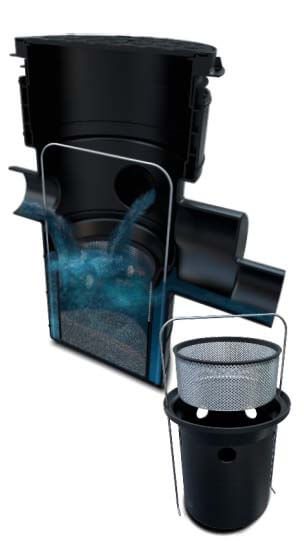
The type of silt trap you will need depends on the size of your water storage system and the type of environment you are in. For small residential applications, the SiltGuard 300 Series is the best choice and ours is the most affordable on the market. It is specifically designed to sit upstream from your water storage system/crate and filter out materials on a domestic scale.
The SiltGuard 500 Series is similar to the 300 series but is more appropriate for water storage systems in the medium size range. It would be best for large domestic applications or small to medium-sized commercial buildings. Finally, the Heavy Duty Series are the big ones; recommended for large commercial applications as they can be installed in roads, car parks, hard standing and heavily trafficked areas that have vehicle loadings over 2.5 tonnes. These traps can also be used for deeper installations in a non-trafficked area. It will prevent 99% of all sediment from entering your drainage and storage systems.
How do you clean a silt trap?
You clean a silt trap regularly by lifting out the silt bucket, emptying it and dropping it back in. The important part is regularly. If you were to fit one and forget about it, it'd slowly fill with sediment until it passes straight through to the soakaway crate it was meant to protect — leaving you with the very blockages the trap was there to stop.
How often comes down to what's washing into it. A trap catching runoff from a busy car park needs far more attention than one on a quiet domestic roof, but as a sensible starting point, check it every three months or so and clear it whenever the bucket is filling up. It's a quick job: lift the lid, pull the bucket out by its handle so you're not reaching into muddy water, tip out the silt and refit it. Larger or deeper chambers in trafficked areas work differently. Rather than a removable bucket, the silt is jetted or sucked out, so whatever you fit, make sure it has a usable access point for maintenance.
Check out our video below which shows how a silt trap can easily be cleaned.